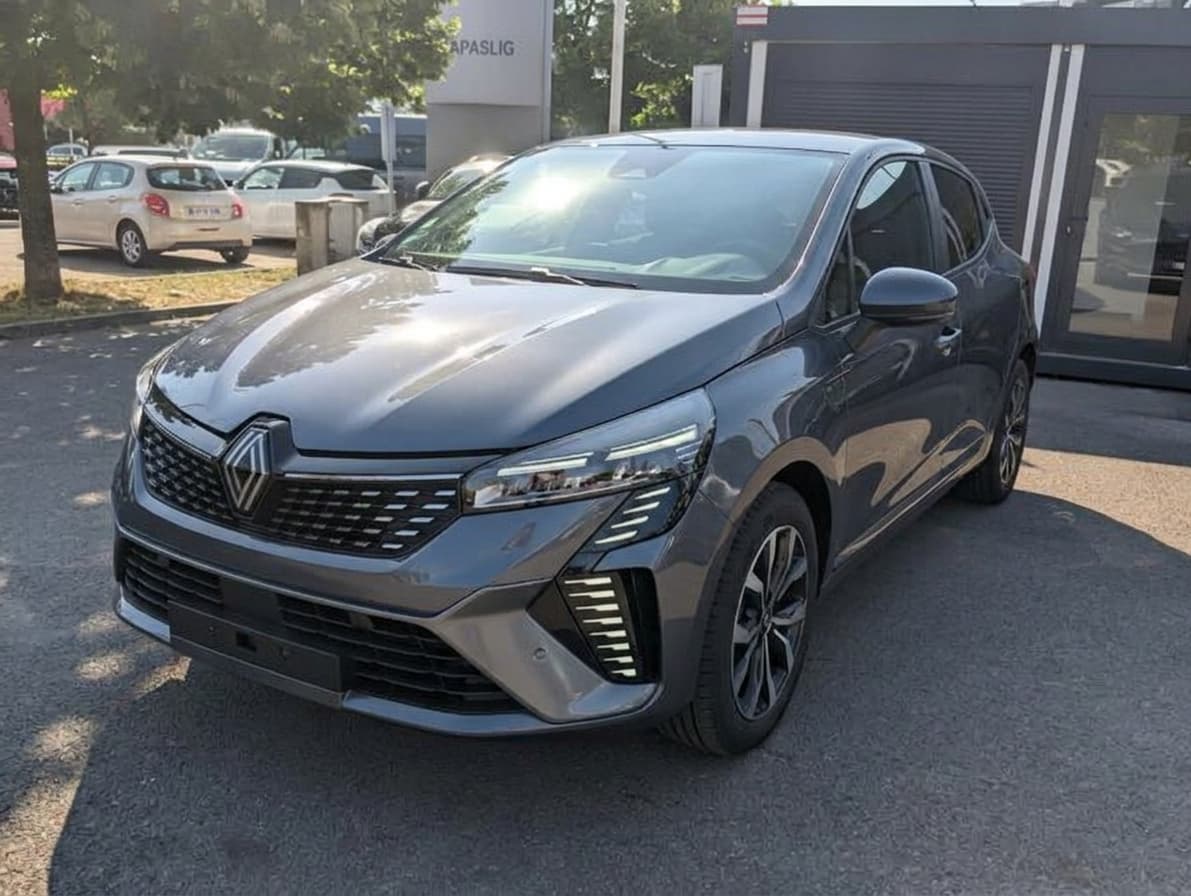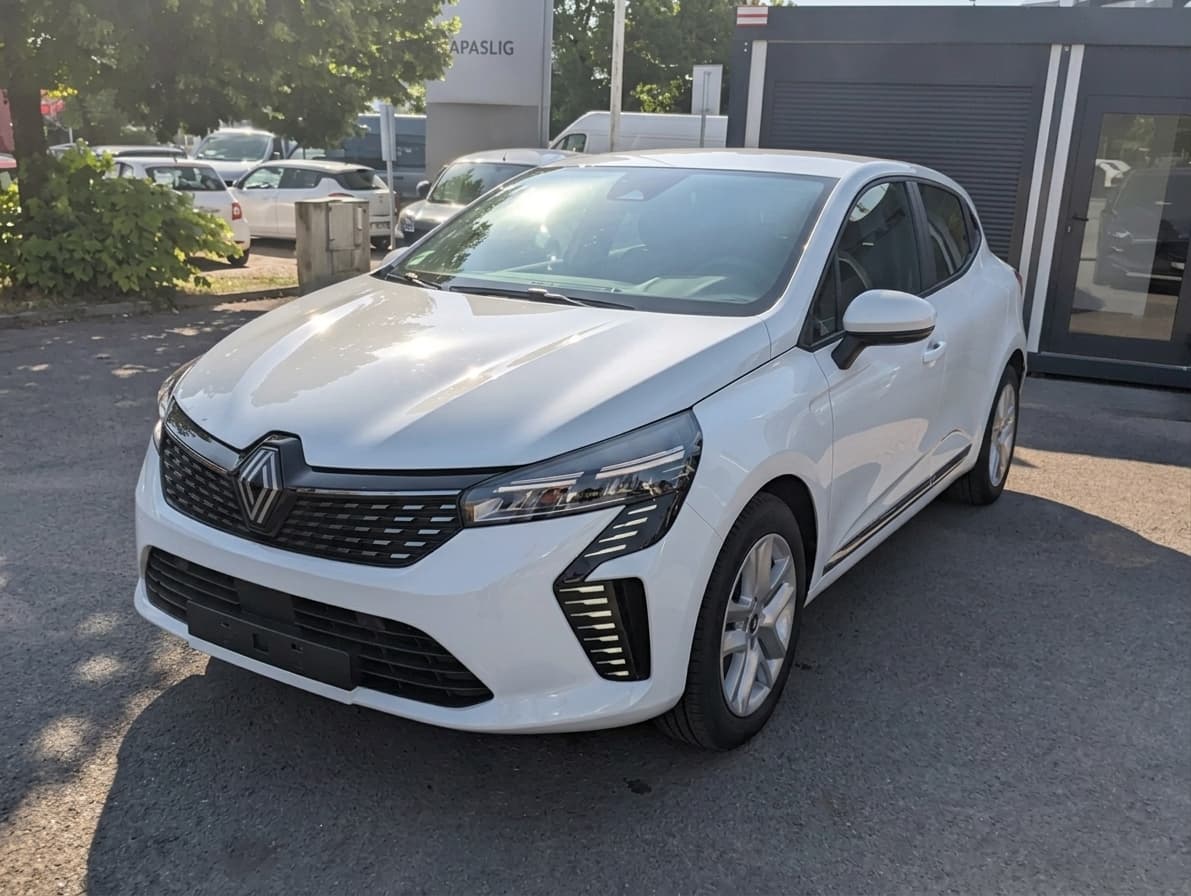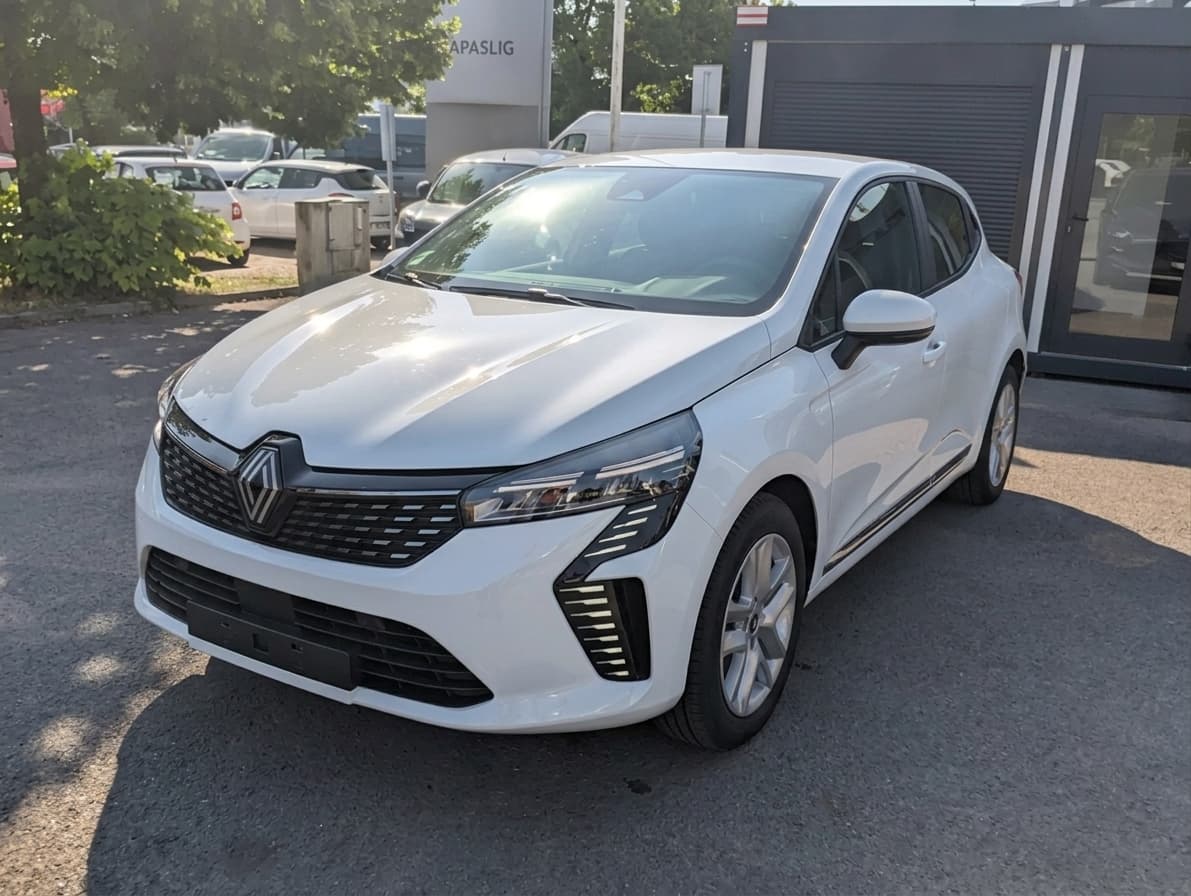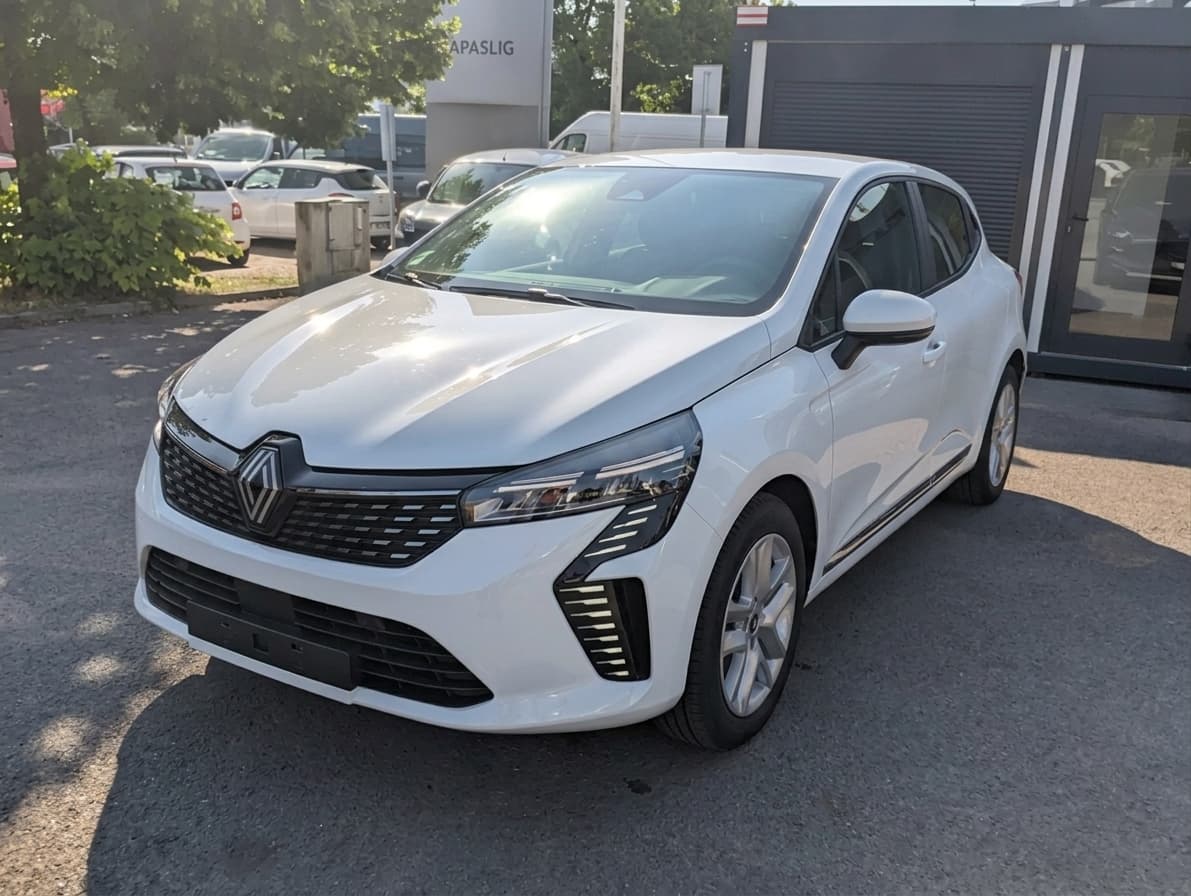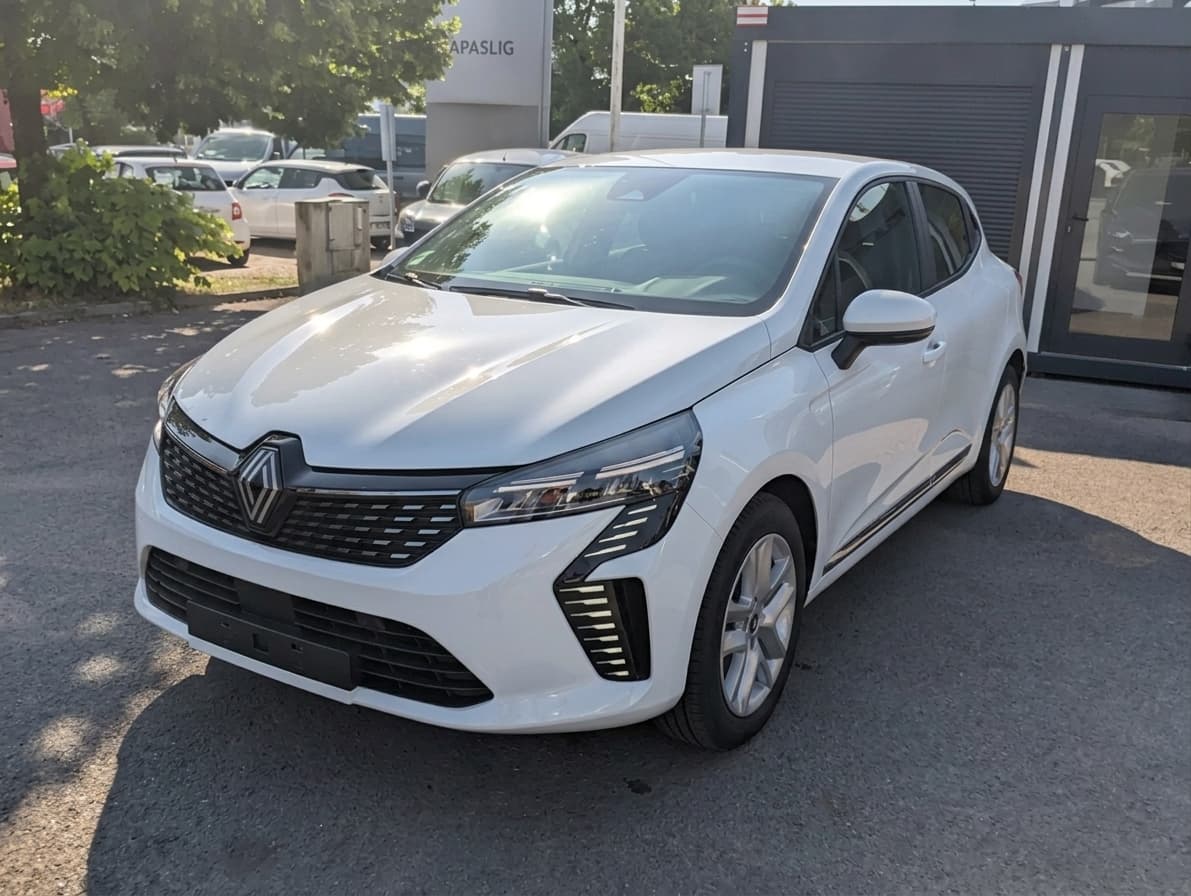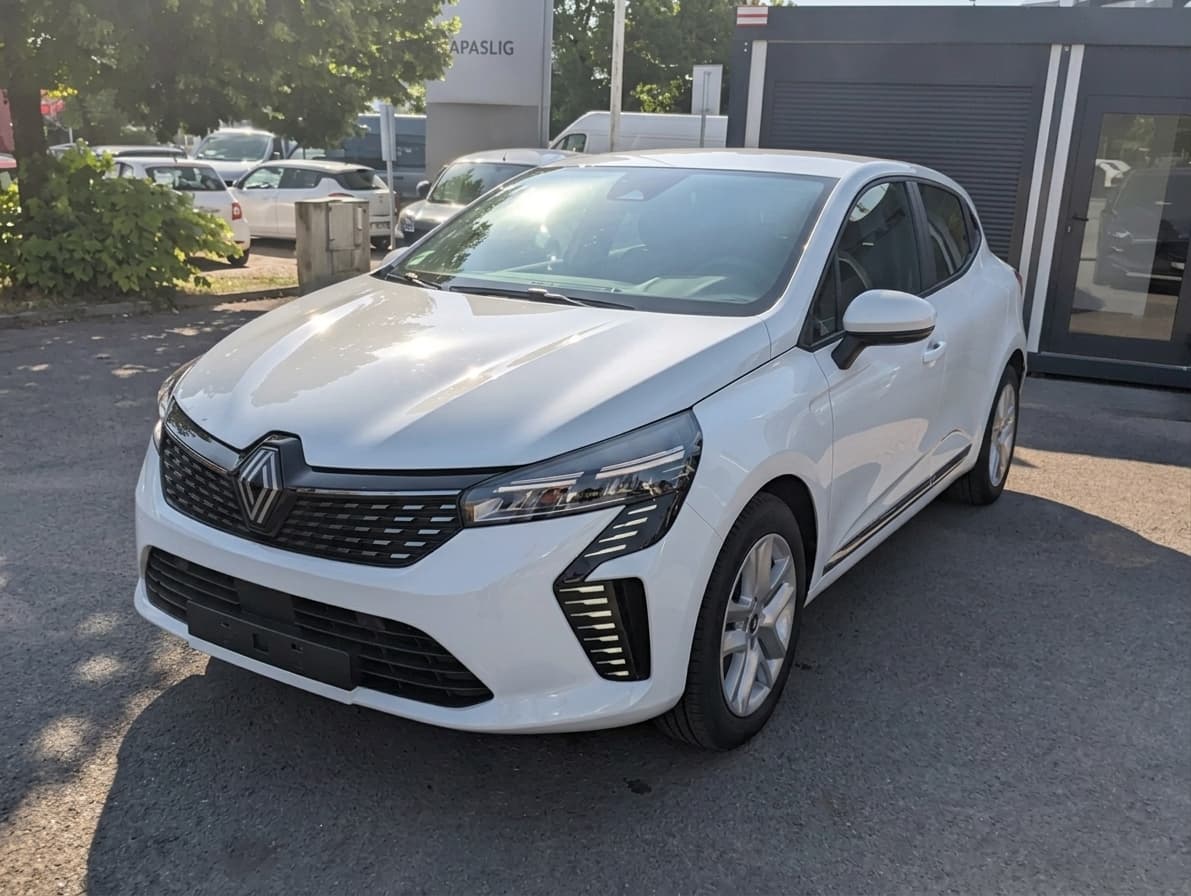
RENAULT CLIO 5 ou similaire
Automatic · 5 places · Clim · Petrol
250 MAD / day
1 250 MAD for 5 days
Caution
Km inclus
Carburant
Verified agencyReplies in ~31 min
A city car is the default choice in Morocco, and in the vast majority of cases it is the right one. Dacia Sandero, Hyundai i10, Renault Clio: they make up most of the national rental fleet, cost 400–550 MAD a day, and go anywhere the road is paved — which covers every major tourist route.
A city car is the default choice in Morocco, and in the vast majority of cases it is the right one. Dacia Sandero, Hyundai i10, Renault Clio: they make up most of the national rental fleet, cost 400–550 MAD a day, and go anywhere the road is paved — which covers every major tourist route.
Medinas and city centres: parking a small car in Marrakech, Fès or Essaouira is far easier than parking an SUV. Old-town streets are narrow and spaces are scarce.
Main roads: Marrakech–Essaouira, Casablanca–Rabat, Agadir–Tiznit are wide and well surfaced. A city car is entirely at home and burns half the fuel of a 4x4.
The Tichka pass towards Ouarzazate and the desert road: paved end to end. A small car climbs it without trouble, just more slowly when loaded.
Unpaved tracks: the Merzouga dunes, some Atlas village approaches, southern Atlantic coastal pistes. A city car grounds out — and your contract almost certainly excludes off-road driving.
Five adults plus luggage in a 1.0-litre petrol car genuinely struggles in the mountains. For a loaded Atlas or Rif itinerary, take a diesel or move up a class.
Yes, as far as Merzouga or Zagora — the whole road is paved. Dune excursions run in local 4x4s with a driver, not in your rental car.